
Understanding Moderate Hidradenitis Suppurativa
Understand what moderate hidradenitis suppurativa looks and feels like in your patients, supporting them with earlier treatment options and better patient outcomes.
-

1. Recognizing Hidradenitis Suppurativa in Clinical Practice
Topic 1: HS Is More Than ‘Recurrent Boils’
Topic 2: Recognize the Characteristic Lesions
Topic 3: Look in Characteristic Locations
Topic 4: Recurrence May Be the Most Important Clue
Topic 5: Recognize Inflammation Across Skin Tones
Topic 6: Distinguish HS From Common Mimickers
Topic 7: Put the Three Diagnostic Clues Together
Section Summary
-

2. Understanding Moderate Hidradenitis Suppurativa
Topic 1: Moderate HS Is Not Defined by Appearance Alone
Topic 2: Why Hurley Staging Alone Is Not Enough
Topic 3: Assess Three Dimensions of Severity
Topic 4: Use IHS4 to Measure Inflammatory Activity
Topic 5: Recognizing Moderate Disease in Practice
Topic 6: Outcome Measures Support Clinical Judgment
Topic 7: A Practical Assessment Sequence
Section Summary
-
3. Why Earlier Recognition Matters
Topic 1: HS Is More Than a Series of Isolated Lesions
Topic 2: Diagnostic Delay Remains Common
Topic 3: Recurrent Inflammation Can Become Structural Disease
Topic 4: Progression Is Possible, Not Inevitable
Topic 5: The Burden Extends Beyond Visible Damage
Topic 6: Undertreatment Can Persist After Diagnosis
Topic 7: What Earlier Recognition Changes
Section Summary
-
4. Looking Beyond the Physical Exam
Topic 1: The Examination Is a Snapshot
Topic 2: Reconstruct the Disease Course
Topic 3: Ask About Symptoms the Examination Cannot Measure
Topic 4: Translate Symptoms Into Functional Impact
Topic 5: Ask Sensitively About Stigma and Intimate Effects
Topic 6: Review What Has Already Been Tried
Topic 7: Use Patient-Reported Measures Selectively
Topic 8: A Practical Five-Minute HS History
Section Summary
-
5. Recognizing HS in Adolescents
Topic 1: HS Often Begins Before Adulthood
Topic 2: Adolescent HS May Begin Subtly
Topic 3: Distinguish HS From Common Mimickers
Topic 4: Ask in a Way an Adolescent Can Answer
Topic 5: Look Beyond Skin Findings
Topic 6: Assess Context Without Assigning Blame
Topic 7: Recognize When Referral Should Not Wait
Topic 8: Build an Age-Appropriate Longitudinal Plan
Section Summary
-
6. The Window of Opportunity
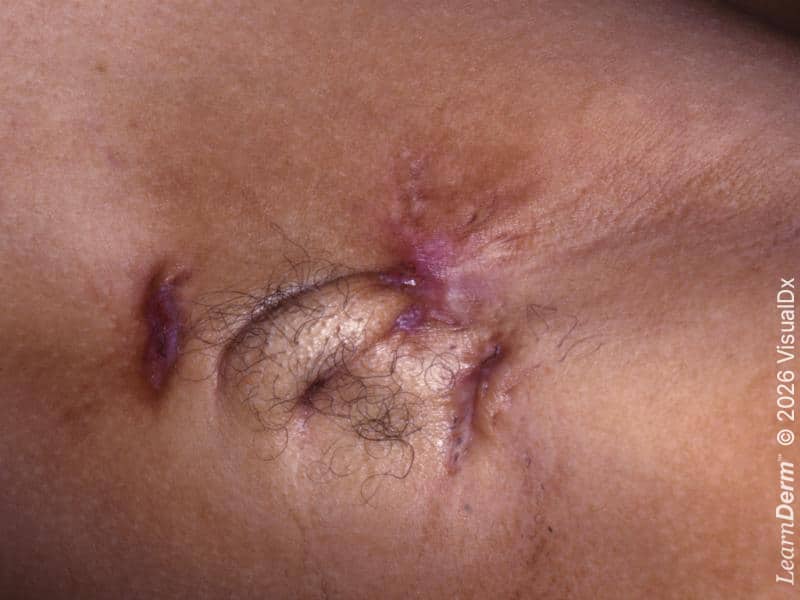

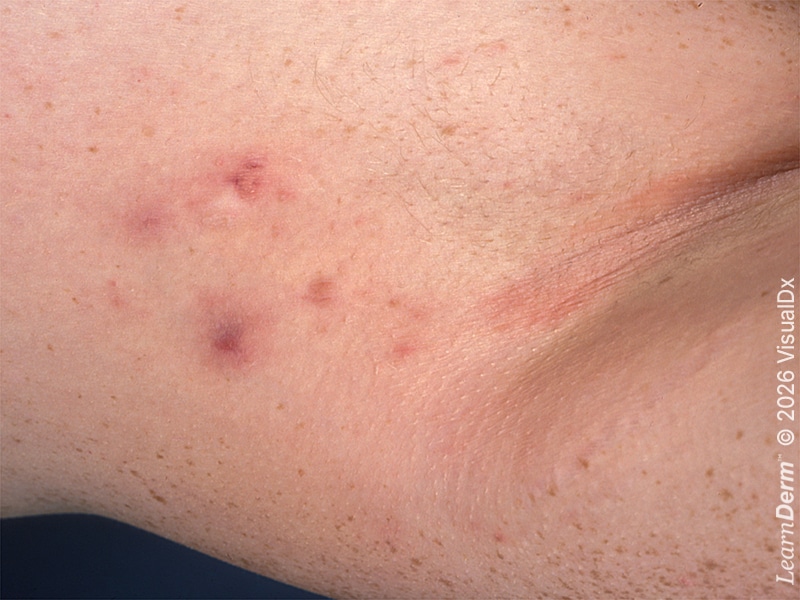

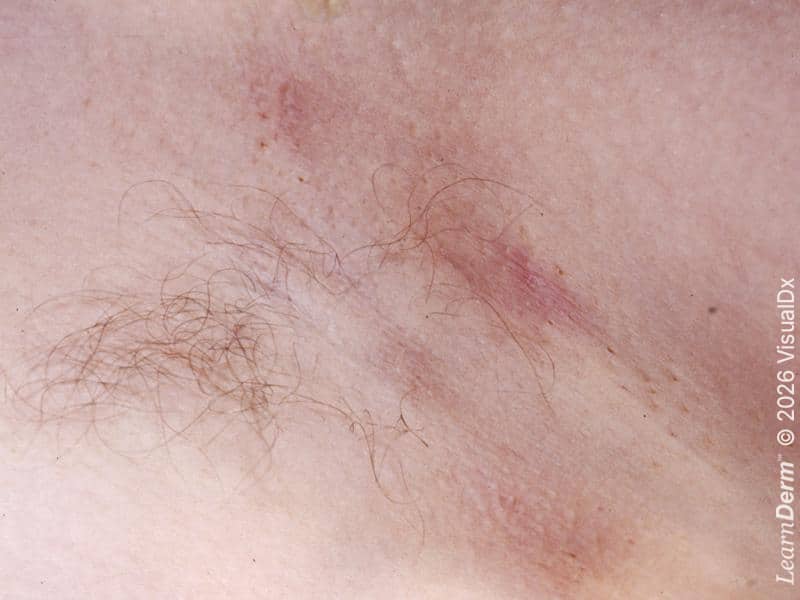
This content is sponsored but developed independently with Steven Daveluy, MD, Dermatologist.