
Topic 3: Recurrent Inflammation Can Become Structural Disease
Active inflammatory lesions can resolve without permanent damage, but repeated or persistent inflammation may contribute to abscess formation, epithelialized tunnels, fibrosis, and scarring. Once established, structural changes may persist even when inflammatory activity improves.
This is the clinical rationale for recognizing meaningful disease before extensive tunnels and scars are present. North American guidance recommends documenting inflammatory lesions and tunnels and using measures such as Hurley staging, lesion counts, pain, and quality of life to assess disease severity. Evaluating both current inflammatory activity and established structural change helps inform appropriate medical and procedural management.1
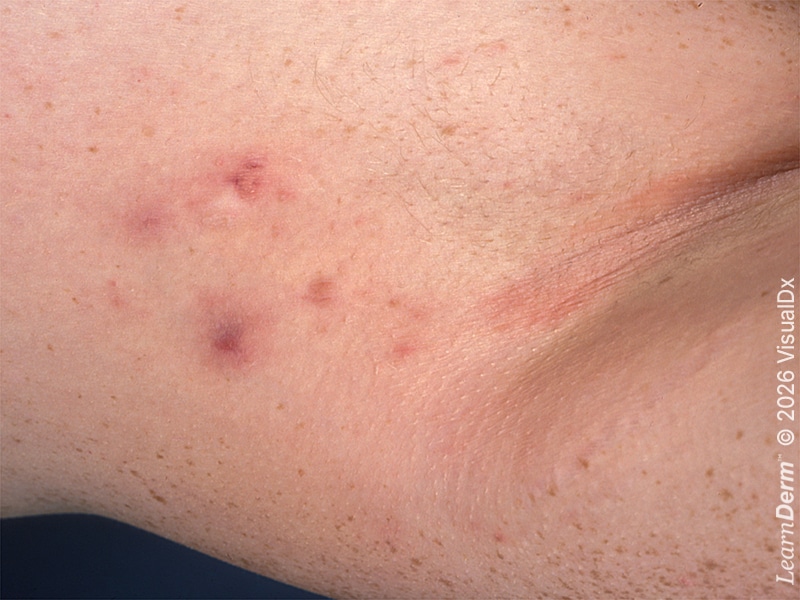
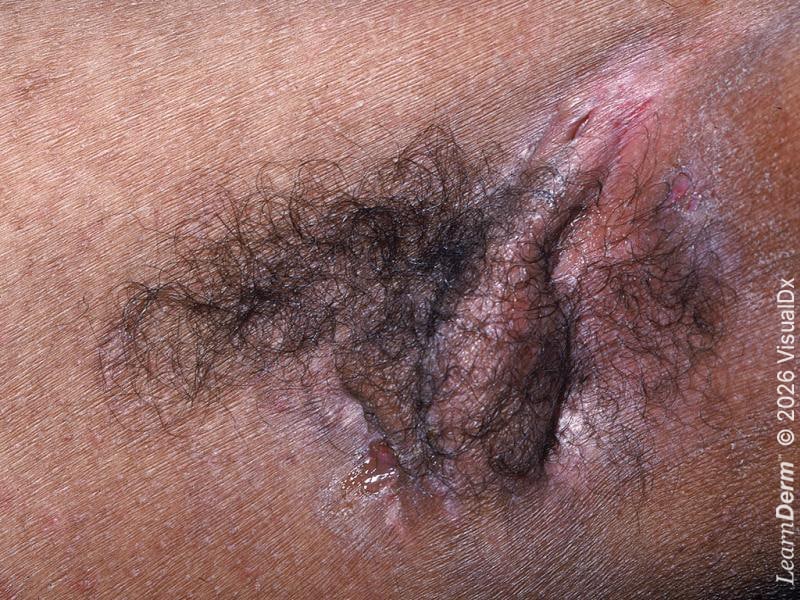
| Teaching point: Earlier recognition is valuable because active inflammation may be modifiable, while established tunnels, fibrosis, and scars can require procedural or surgical management and may not fully reverse with medical control alone. |
This content is sponsored but developed independently with Steven Daveluy, MD, Dermatologist.